



Leonum Institute for AI and Emerging Technologies advances human-centered AI through the lens of Catholic humanism, merging rigorous research with venture creation to shape technology that serves human flourishing.
Founded within The Catholic University of America, we address profound questions of meaning and purpose with the transformative possibilities of emerging tech.
Join our community to receive updates on upcoming projects, guiding frameworks, and collaborative industry conversations.
Subscribe to Substack Follow Us on LinkedInWhat we do
Research
We conduct groundbreaking research that explores:
- Intelligence
- Personhood
- Ethics
- Agentic systems
- Social and cultural impact
Formation
We create academic programs to form the next generation of thought leaders and scholars, focusing on education within these fields:
- AI
- Innovation
- Ethics
- Commercialization
Innovation
We founded a venture studio, turning research insights into real-world technologies through:
- Hackathons
- Fellowships
- Studio builds
- Interdisciplinary partnerships
- Mentorships
Join us in shaping the future of AI
Whether as a scholar, entrepreneur, donor, or student, you have a role to play in how AI and emerging technologies unfold. Connect with us to discover how you can get involved.
Collaborate with usPeople
Taylor Black
Director
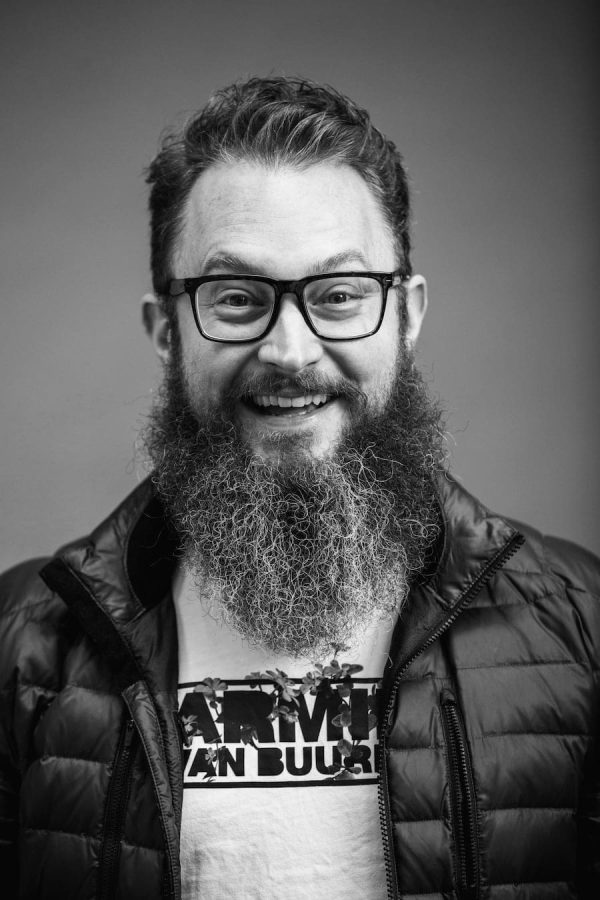
Taylor Black, founding executive director of the Institute, also serves as the director, AI & Venture Ecosystems, with the Office of the CTO at Microsoft. Mr. Black has spent the past 20+ years working in a highly successful and influential career as an entrepreneur and thought leader in AI and emerging technologies. He has a J.D. and an M.A. in Philosophy from Boston College.
H. Joseph Yost
Senior Vice Provost for Research
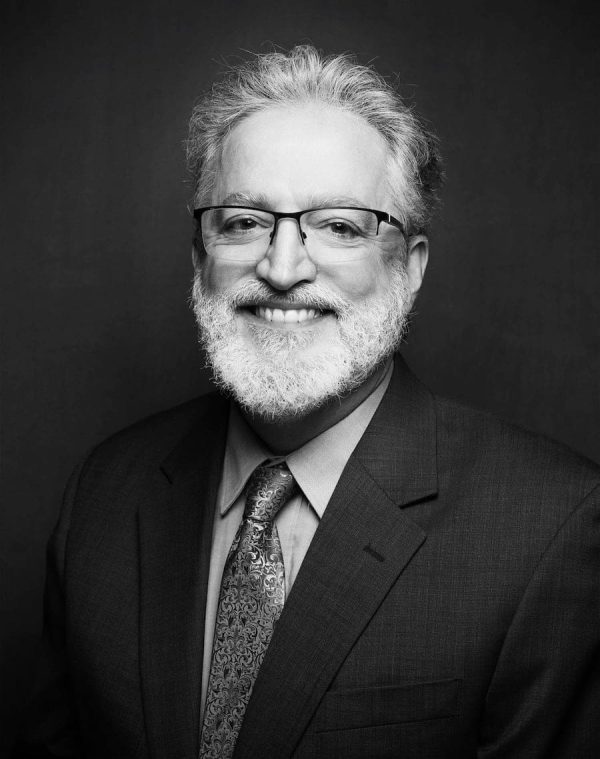
Dr. Joe Yost is the senior vice provost for research and chief research officer at Catholic University. He oversees the stewardship of university resources to foster high-quality research and generate activity among faculty and staff as well as centers, institutes, and faculty startups that include the Leonum Institute.
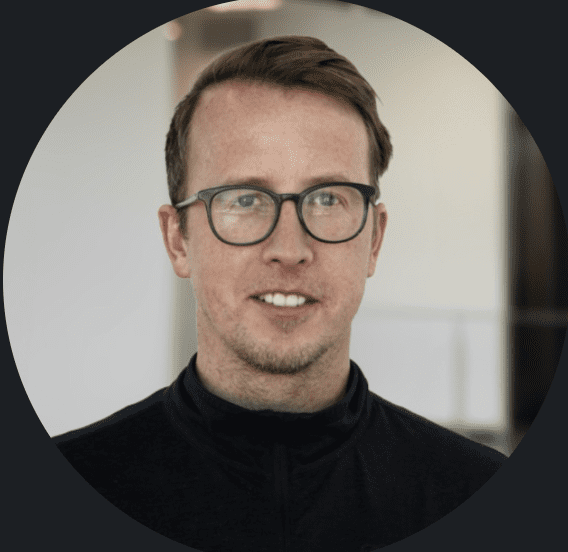
Matt Gardner
Interim Director of New Venture Development and Investments
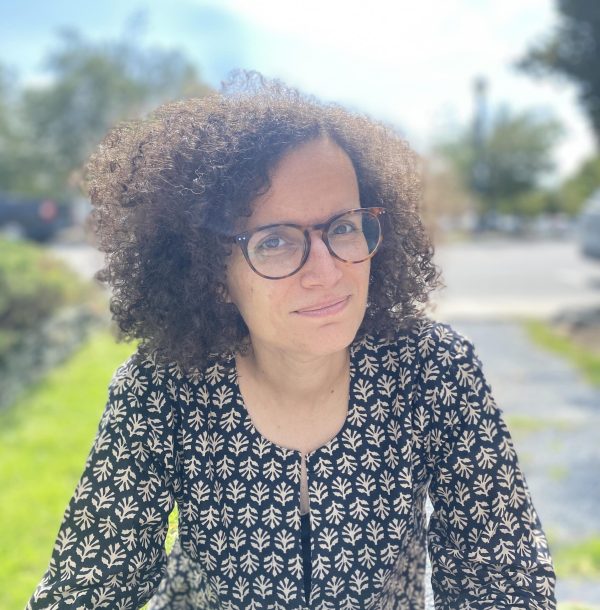
Dr. Antohin is a social anthropologist, educator, and public scholar whose work explores the role of the Church in public life. As a nonprofit professional, she specializes in youth engagement, digital humanities, and heritage advocacy, with a commitment to open-access resources that expand public engagement with cultural and scholarly knowledge.
Molly Burhans
Leonum Fellow
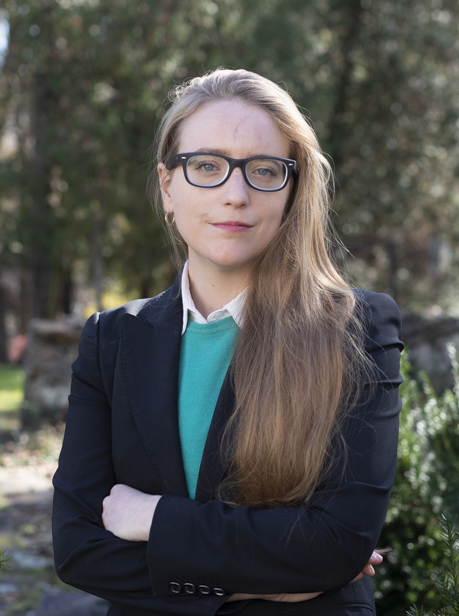
Molly Burhans is a cartographer, data scientist, and environmental advocate, and founder. She led the first unified global map of the Church, premiered at the Vatican, and is recognized for work in scalable land-based climate solutions, ecological restoration and conservation finance. Her honors include UN Young Champion of the Earth, Ashoka Fellow, and Sierra Club EarthCare Award. She is a doctoral student in Social Sciences at the Pontifical University of Saint Thomas Aquinas (Angelicum), developing a treatise on ecclesial geography, and the Ignazio Danti O.P. Fellow at Catholic University of America’s Leonum Institute.
As AI continues to evolve faster than social, moral, and institutional frameworks can adapt, we are responding by forming ethical technologists that understand not only how AI works, but what it means for humanity.— Taylor Black, Executive Director, Leonum Institute
Strengths
We believe technology and innovation should better serve humanity. With an eye toward market and workforce demand, Leonum Institute is equipped to respond rapidly and provide students and the wider public with the knowledge and skills to ethically and masterfully create and use data, information technology, and AI.
AI and the Meaning of Work
Presented by The Leonum Institute for AI & Emerging Technologies and The Word On Fire Institute, this 3-day symposium gathers leading minds across technology, business, government, and higher education for a timely meditation on the moral and societal impacts of Artificial Intelligence.
What We Will Explore:
- What does it mean to say that a human being is working?
-
What is AI and how does this revolution differ from historical precedents like the Industrial Revolution in altering how people earn a lening
-
What protective measures are worth advancing to prevent job replacement?
- In fields where AI use can lower poverty and mortality rates, should its adoption be treated as a moral imperative?
Confirmed Speakers Include:
-
Catherine Pakaluk – The Gibbons Institute for Human Ecology, Catholic University
-
Brian Patrick Green – Santa Clara University
-
Joseph Vukov – Loyola University Chicago
-
Olga Pierrakos – Program Director, National Science Foundation
-
Taylor Black – Founding Executive Director, The Leonum Institute
Events
Book Talk: Can AI Ever Be Human? Thursday, June 11, 2026, 12:00–1:30 p.m., Heritage Hall, The Catholic University of America
Can a machine ever truly be human? Join author Dr. Paul O’Hara (Professor of Ontology and Scientific Rationality at Sophia University, Italy) for a conversation exploring consciousness, artificial intelligence, and what it means to be human. Drawing on Bernard Lonergan’s thought and the Catholic intellectual tradition, Dr. O’Hara will be joined by Senior Vice Provost Dr. H. Joseph Yost and Dr. Charles Camosy for a panel discussion on one of the most pressing questions of our time.
Explore the book at CUA Press
Corporate Social Responsibility of “Big Tech” Conference
Hosted by Catholic University’s Columbus School of Law, this full-day conference is a joint effort by the Corporate Responsibility and Compliance program, the Law & Technology Institute, and the Bakhita Initiative for the Study and Disruption of Modern Slavery. Attendees explored forced labor and human trafficking; artificial intelligence, privacy, and data protection; and sustainability, including the environment, resource management, and social justice.
2025 Fall Lecture Series
Presented by Catholic University’s School of Philosophy, this five-part public lecture series examines the ethical, philosophical, and theological dimensions of artificial intelligence. The series features distinguished scholars from theology, philosophy, and bioethics.
Off-Campus AI Salons With Industry Leaders
These special events bring faculty together with representatives from government agencies, consultancies, cloud providers, and other sectors to discuss AI usage guidance and public policy regulations, workforce and talent pipeline development, and new certificate and degree programs in AI.